

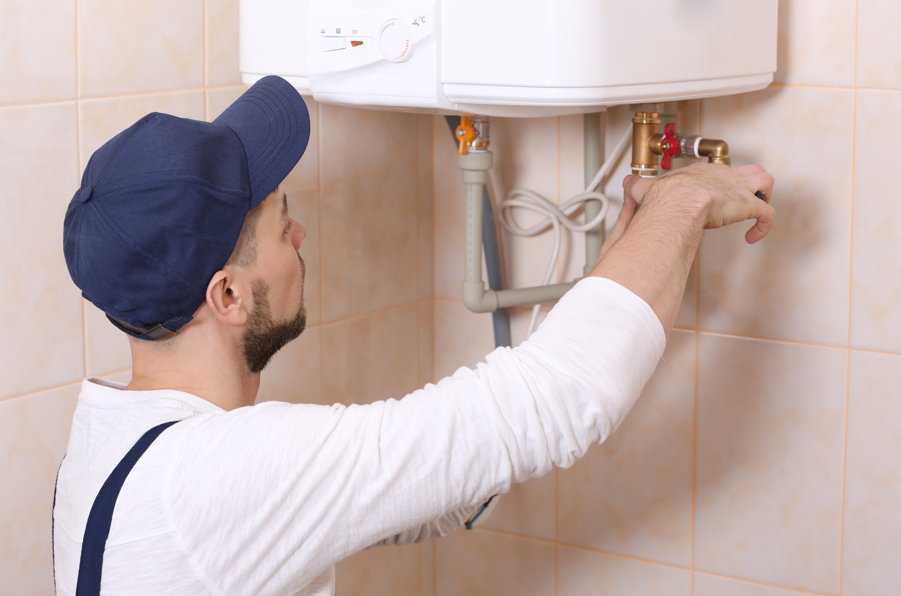
Most homeowners remember to change air filters, test smoke detectors, and inspect the roof after a rough winter, but the water heater quietly gets left off the list year after year. Out of sight, out of mind. That is, until the moment a cold shower rudely announces that something has gone very wrong.
Water heater maintenance is not complicated, but it does require consistency. Adding it to your annual home checklist can extend the life of your unit, reduce your energy bills, and prevent the kind of failure that floods a utility room on a Sunday morning.
Why Water Heaters Need Regular Attention
A water heater works hard every single day. Every shower, load of laundry, and dishwasher cycle draws on it. Over time, minerals and sediment from the water supply settle at the bottom of the tank, building up a layer that forces the unit to work harder to heat the same amount of water.
That extra strain translates directly to higher energy costs and a shorter lifespan for the appliance. What would otherwise last well over a decade can start struggling in half that time, simply from neglect.
Beyond efficiency, there are safety concerns. Pressure can build inside a tank that is not functioning properly, and components like the temperature and pressure relief valve exist for good reason. If that valve has never been tested, you genuinely do not know whether it would do its job in an emergency.
What to Check Every Year
Flush the Tank
Sediment accumulation is the most common and most damaging issue in tank-style water heaters. Flushing the tank annually clears out that buildup and restores heating efficiency. The process involves attaching a hose to the drain valve and letting the water run until it comes out clear. It takes less than an hour and makes a real difference.
Inspect the Anode Rod
The anode rod is a sacrificial metal rod designed to corrode so the tank walls do not. When it is fully depleted, the tank itself becomes vulnerable to rust and corrosion from the inside. Checking this rod once a year and replacing it when it is worn down significantly extends the overall life of the unit.
Test the Pressure Relief Valve
Lift the lever briefly and allow it to snap back. A small amount of water should discharge, confirming the valve is functional. If nothing happens, or if it continues leaking afterward, the valve needs to be replaced. This is a simple test that takes seconds and serves as a meaningful safety check.
Check the Temperature Setting
Most manufacturers recommend a temperature setting that is hot enough to prevent bacterial growth but not so high that it creates scalding risk. Take a moment to verify where your unit is set, especially if you have not looked at it in a while.
Look for Signs of Corrosion or Leaks
Walk around the unit and inspect the base, the connections, and the tank itself. Rust-colored water, moisture around fittings, or visible corrosion on the tank body are all signs that something needs attention before it becomes a failure.
When to Call a Professional
Some maintenance tasks are well within the capabilities of a confident homeowner. Others genuinely benefit from a trained eye. A licensed plumber or HVAC technician can perform a thorough inspection that goes beyond the basics, evaluating the burner assembly on gas units, checking electrical connections on electric models, and identifying wear patterns that might not be obvious to someone without experience.
If your water heater is aging, making unfamiliar noises, or showing any signs of rust or persistent leaks, a professional visit is the right call. They can assess whether the unit has more years left in it or whether planning for a replacement now would save you from a more urgent (and expensive) situation later. To find qualified service providers and understand what a professional maintenance visit typically includes, discover more here through your local utility provider or a licensed plumbing contractor in your area.
Make It a Habit, Not an Emergency
The water heater is one of the most-used appliances in any home and one of the least-inspected. A few minutes of attention each year keeps it running efficiently, extends its useful life, and gives you confidence that it will not fail you at the worst possible moment.
Add it to your annual home maintenance checklist alongside the gutters and the HVAC filter. It takes less time than you think, and the payoff (in performance, safety, and peace of mind) is well worth the effort.
